Evaluating the NVIDIA Spectrum SN3420: What Infrastructure Buyers Need to Know
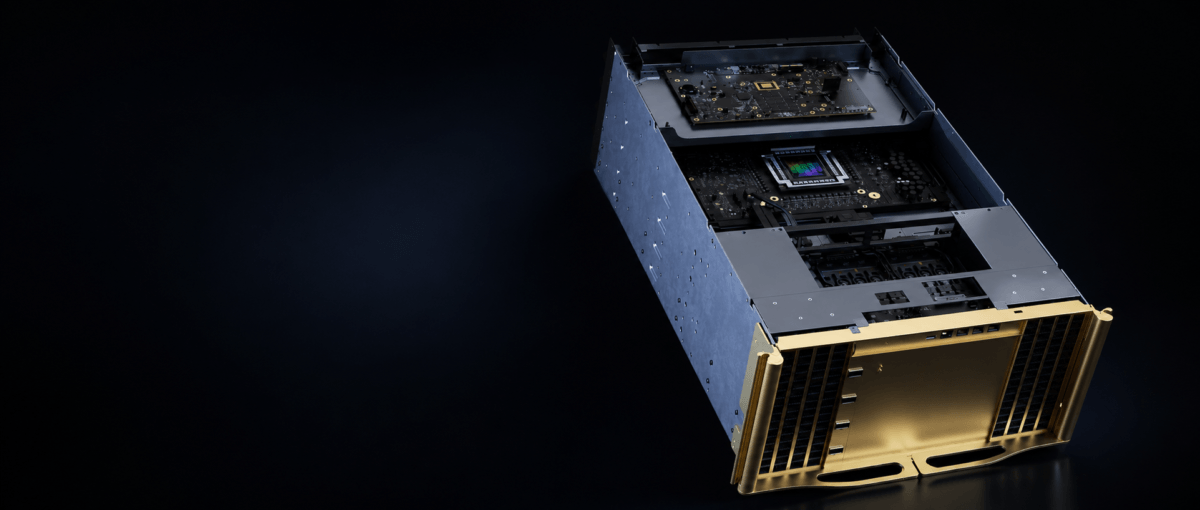
NVIDIA’s networking portfolio is built around one principle: match the switch to the traffic class, not the other way around. At the top end, the Spectrum-X and Quantum InfiniBand carry GPU-to-GPU training traffic at 400G and above, where fabric moves at the speed of the compute. The SN3420 was built for a different environment – one where the network is the substrate everything else depends on.
Ten-gigabit Ethernet carried that server edge for over a decade, but the move to 25GbE is no longer a debate. It rides on the same cabling and connectors, and switches, NICs and transceivers all land at much the same price as their 10G equivalents – anyone refreshing server connectivity now is buying 25G by default. The real decision is which 25G switch, and that comes down to three things: the silicon inside it, the operating system on it, and the support behind it.
The SN3420’s answer starts with the spec: 48 server-facing ports at 25GbE, 12 uplinks at 100GbE and 2.4Tb/s of switching capacity in a single 1U unit – enough to carry the transition without forcing a buyer to jump straight to 100G at the edge before the workload actually needs it.
What it does differently
Most Ethernet switches in this class are built on Broadcom silicon. The SN3420 runs NVIDIA’s own Spectrum-2 ASIC, and the difference shows in how it handles contention.
Most switches at this price point allocate buffer on a per-port basis, which works until it doesn’t. Under incast conditions, where multiple ports converge on a single destination simultaneously, congested ports drop packets while quiet ones sit idle.
The Spectrum-2 uses a fully shared 42MB buffer, so available capacity goes where the traffic actually is. RoCE – RDMA over Converged Ethernet, which allows direct memory access between servers across an Ethernet network without CPU involvement – is configured through a single Cumulus Linux command, automatically setting PFC, ECN thresholds, and QoS mappings rather than leaving the team to do it manually. Cut-through switching holds latency at 425ns, meaningful for any workload where eliminating data copying and CPU interrupts between nodes is the entire point.
When something goes wrong on the fabric, most telemetry leaves you scratching heads. NVIDIA’s What Just Happened feature is built into Spectrum Ethernet switches to immediately diagnose network anomalies and packet drops. It captures events at submicrosecond granularity – enough to surface the cause of a degraded flow before most systems have logged that anything went wrong and makes a world of difference.
The operating system is half the decision
The other half of the decision lies in Cumulus Linux, the software-defined network operating system it ships with. Legacy switching has long meant working through a proprietary command-line interface; Cumulus is Linux through and through, so network teams manage the switch with the same tooling, automation and habits they already apply to their servers. Licensing is refreshed on a cycle like any network operating system, and it’s priced reasonably – the cost per port comes out well below what the enterprise networking incumbents charge.
The usual price of that openness is accountability spread across vendors – hardware from one, software from another, and a fault that each insists belongs to the other. Here, the trade-off doesn’t apply. The ASIC, the switch and the operating system all come from NVIDIA, so the Linux-native tooling arrives with a single support line for both hardware and software behind it.
The SN3420 is not an AI switch, and we won’t pretend otherwise. But teams running Ethernet-based AI clusters are already running Cumulus on those fabrics. Deploying it at the top of rack as well means one operating system across the estate – one skill set, one automation pipeline – rather than maintaining separate expertise for the AI fabric and everything else.
Knowing when the timing is right
The right timing rarely announces itself. Most networks carry a slow build-up of pressure long before anyone flags a problem. The signal is straightforward once you know what to look for: the workload is pushing harder than the edge can carry, when you know you’re up for a server refresh.
This shows up in three common scenarios:
- A cloud repatriation project, where workloads in a hyperscaler’s fabric land back on infrastructure they own
- A renewal decision, where the incumbent vendor’s licensing and support costs have prompted a look at the alternatives
- A server refresh, where the 10GbE edge is due for replacement and 25GbE now costs the same
In each case, the network is already at a decision point, and evaluating the SN3420 there costs far less than waiting for a constraint to surface as an outage.
Questions worth asking before you commit
None of this holds up without the right groundwork on the buyer’s side. A switch this capable can still underperform if the surrounding infrastructure and team aren’t ready for it, so a few things are worth confirming before signing off:
- Spine readiness – how much capacity does the spine actually have to absorb a 100G uplink?
- How your traffic behaves – does real traffic on this network match what the datasheet assumes, or does it spike in ways that change the picture?
- Who’s doing the install – has the person deploying this actually worked with Cumulus Linux or SONiC before?
- Getting through the cutover itself- is there a plan, and the right hands on deck, to migrate without taking the rack down in the process?
- What happens when it breaks – how fast does a fault actually get resolved at 2am?
The switches that hold up under real pressure are matched precisely to the traffic they carry: an enterprise switch, from a market-leading vendor, with strong performance and support behind it at a sensible price – provided it fits the environment it’s going into.
If you’re weighing that match for your own environment and want a second opinion, we’re happy to talk it through.
